Fascinating Sunflower Facts That Will Blow Your Mind
Posted on 06/06/2025
Fascinating Sunflower Facts That Will Blow Your Mind
Sunflowers - the name instantly conjures images of towering yellow blooms stretching up to greet the sun. But there's far more to these iconic plants than initially meets the eye. Whether you're a gardening enthusiast, science lover, or simply someone who appreciates the beauty of nature, you'll be amazed by the astonishing sunflower facts outlined in this article. Discover the amazing secrets behind sunflowers, their unique history, incredible biology, and their vital significance both culturally and ecologically. Prepare for a journey that truly showcases why sunflowers are truly mind-blowing!
Origins and Unique History of Sunflowers
When delving into the history of sunflowers, it becomes evident that these blooms have traveled far and wide, capturing the hearts of many civilizations. Here are some intriguing details about their past:
- Native Roots: Sunflowers (Helianthus annuus) are indigenous to North America, particularly the central United States, where Native Americans have cultivated them for thousands of years.
- Beyond a Flower: Early uses of sunflowers included not just food and oil, but also dye, medicine, and even building materials. Sunflower seeds were a valuable dietary staple.
- Spread Across Continents: Spanish explorers brought sunflower seeds to Europe in the early 1500s. The flower quickly gained popularity across the globe for its striking appearance and versatility.
- Symbolism: Sunflowers were associated with spirituality and adoration by Native Americans and became symbols of loyalty, longevity, and positivity in various cultures.

Why Are Sunflowers Called "Sunflowers"?
The name sunflower is no accident. It derives from the flower's distinctive sun-like appearance and remarkable heliotropic abilities (the phenomenon of tracking the sun with their heads). This unique behavior isn't just beautiful--it's functional too.
Heliotropism: Sunflowers Chase the Sun!
Young sunflower plants exhibit a phenomenon known as heliotropism, where their flower heads actively track the sun's movement across the sky from east to west during the day. At night, they return to face east, in anticipation of the morning sun.
- This behavior helps maximize photosynthesis, allowing the plant to absorb as much energy as possible.
- Once the blooms mature, sunflowers generally stop moving and permanently face east. Studies show that these east-facing flowers heat up more quickly, which attracts more pollinators like bees.
Mind-Blowing Sunflower Biology
Sunflowers aren't just visually spectacular; they're also biological marvels. Here are some stunning biology facts about sunflowers:
1. Not Just One Flower
What appears to be a single sunflower is actually a composite bloom. Each sunflower "head" is made up of thousands of tiny flowers called florets arranged in a spiral pattern.
- The outer yellow petals, called ray florets, attract pollinators.
- The center disc consists of disc florets that mature into seeds after pollination.
2. The Golden Ratio in Sunflower Patterns
Sunflowers famously exhibit nature's most beautiful mathematics: the Fibonacci sequence. Each floret in the sunflower's disc is positioned according to this sequence, creating spirals that balance optimal seed packing efficiency with aesthetic beauty.
- Most sunflowers have 34 spirals in one direction and 55 in the other. Sometimes, large blooms display 89 and 144 spirals--both are consecutive Fibonacci numbers.
- This arrangement maximizes the number of seeds the disc can hold, optimizing reproductive success.
3. Giant Stalks and Towering Records
Sunflowers can grow incredibly tall, with some varieties reaching epic heights.
- The world's tallest sunflower ever recorded stood at 30 feet 1 inch (9.17 meters) in Germany, 2014!
- Dwarf varieties, on the other hand, can thrive in small pots and only reach about 12 inches in height, making sunflowers perfect for gardens of all sizes.
Ecological Importance of Sunflowers
Sunflowers are not just a feast for the eyes--they're essential for biodiversity and sustainable agriculture. Here's why:
Natural Pollinator Magnets
- Sunflowers are buzz-worthy! Their large, nectar-filled blooms are highly attractive to bees and butterflies, supporting pollinator populations crucial for many food crops.
- By planting sunflowers in gardens or farms, you help support biodiversity and promote a healthy ecosystem.
Soil Powerhouses
- Sunflowers are renowned for their phytoremediation abilities. They can absorb heavy metals and toxins from the soil, cleaning up contaminated sites.
- After the Chernobyl nuclear disaster, scientists used sunflowers to help extract radioactive elements from the ground, demonstrating their remarkable environmental value.
Perfect for Crop Rotation
- Sunflower roots penetrate deep into the earth, breaking up compacted soil layers and improving drainage for subsequent crops.
- The plant's debris, when left to decompose, helps build soil organic matter, thus enriching the land for future planting.
Amazing Uses for Sunflowers
Think sunflowers are just for admiring? Think again! This versatile plant serves diverse purposes around the world.
Edible Delights
- Sunflower seeds are packed with protein, vitamin E, magnesium, and healthy fats.
- Eat them raw, roasted, or as part of snacks and granola bars. Sunflower seed butter is a popular nut-free alternative.
- Sprouted seeds and sunflower microgreens are fresh, tasty, and nutritious additions to salads and sandwiches.
Sunflower Oil: Liquid Gold
- Pressed from seeds, sunflower oil is widely used in cooking thanks to its light taste and high smoke point.
- It's also a common ingredient in the cosmetic and skincare industries, hydrating and nourishing the skin and hair naturally.
Animal Feed and Biofuels
- Sunflower meal, the by-product from oil pressing, forms a protein-rich feed for livestock and poultry.
- Research shows that sunflower oil can be processed into biofuel, offering an eco-friendly energy alternative.
Innovative Sunflower Products
- Biodegradable plastics and packaging are increasingly created from sunflower fibers.
- Sunflower stalks are used for making paper, baskets, and even insulation material.
Cultural Significance of Sunflowers
Sunflowers have delighted and inspired humanity for millennia. Here's a closer look at their rich symbolism and place in art, literature, and traditions:
A Symbol of Adoration and Loyalty
- In ancient Native American culture, sunflowers symbolized the sun and spiritual faithfulness, often used in ceremonies for positive energy.
- The Victorian era linked sunflowers with loyalty and unwavering love.
Sunflowers in Famous Art
- Perhaps the most famous sunflower art pieces come from Vincent van Gogh, who painted a series of vibrant still lifes dedicated to the flower, highlighting its hopeful and joyful character.
- The sunflower motif appears in everything from folk crafts to fashion runways, signifying optimism and warmth.
National Emblems
- The sunflower is the national flower of Ukraine, a symbol of peace and resilience, and has been globally recognized in recent years for its poignant significance.
- Each year in the United States, several agricultural festivals celebrate sunflowers, attracting thousands of visitors to majestic sunflower fields.
Fun and Unusual Sunflower Facts
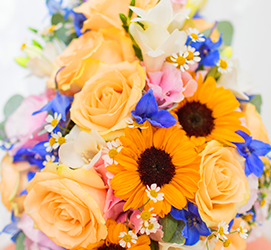
- Colorful Varieties: Not all sunflowers are yellow! You'll find unique varieties in red, orange, white, and even chocolate color hues.
- Fast-Growing Giants: Some sunflower species grow up to 12 feet in just 3 months!
- Multi-Headed: Certain sunflower cultivars can produce one hundred or more flowers per plant.
- Tallest Plant Record: As mentioned earlier, the record is 30 feet 1 inch. That's taller than a two-story house.
- Sunflower Mazes: Across the globe, farmers create expansive sunflower mazes that offer fun and photographic opportunities every summer and autumn.

How to Grow and Care for Your Own Sunflowers
Inspired to plant your own sunny blooms? Growing sunflowers is fun, rewarding, and easier than you might think!
Planting Tips
- Sunflowers thrive in locations with full sun (at least 6-8 hours a day).
- They prefer well-drained, nutrient-rich soils, though they are quite adaptable to various conditions.
- Plant seeds outdoors after the last frost when soil temperatures reach about 50?F (10?C).
Care and Maintenance
- Water young sunflower plants regularly, being sure not to over-saturate the soil.
- Support taller varieties with stakes to prevent them from toppling in the wind.
- Harvest seeds once the back of the sunflower head turns brown. Dry and store them in a cool, dry place.
Conclusion: Sunflowers--More Than Meets the Eye
The sunflower isn't just a plant; it's a living wonder of adaptation, artistry, and ecological service. From their ancient origins to their modern-day significance as national symbols and key ecological players, sunflowers have a profound impact on our world.
Next time you gaze at a field of sunflowers, remember the fascinating sunflower facts that make this cheerful flower a true marvel of nature. Whether you grow them yourself, admire their artwork in galleries, or enjoy their seeds as a healthy snack, sunflowers bring sunshine and inspiration wherever they bloom.
Looking for more intriguing content about sunflower facts, amazing sunflower information, or the secrets of sunflowers? Stick with us for more articles that explore the wonders of the natural world!
Latest Posts
Why Red Roses Remain the Valentine's Day Favorite
Bursting blossoms to enhance birthday cheer
Unlock the Secret of Flowers and Your True Nature