The Science of Flowers and Emotional Elevation
Posted on 02/06/2025
The Science of Flowers and Emotional Elevation: A Comprehensive Guide
Flowers have captivated humankind since ancient times, enchanting us not only with their beauty but also with their profound impact on our mood and wellbeing. Today, modern science is beginning to unravel the intricate relationship between flowers and emotional elevation. In this in-depth article, we'll explore the fascinating science that links flowers to our emotions, investigate how different blossoms can boost our spirits, and explain the tangible benefits of bringing flowers into your daily life.
Unveiling the Connection: How Flowers Influence Our Emotions
The notion that flowers can elevate our emotional state is not merely folklore or sentimental poetry--it's a concept supported by rigorous scientific research. Over the last few decades, psychologists, neuroscientists, and horticulturalists have collaborated to decode the mechanisms by which blooms impact human emotion and overall mental health.
The Psychological Effect of Blooms
Numerous studies have established a significant association between exposure to flowers and positive psychological outcomes. For instance, researchers at Rutgers University found that participants who received flowers displayed increased happiness, gratitude, and social connection, with effects that lasted for days.
- Immediate mood improvement is noted moments after seeing or receiving flowers.
- Long-term reduction in feelings of anxiety and depression is observed amongst people living with floral arrangements.
- Enhanced intimacy and social bonding are reported, both in personal and professional settings.
The Science Behind Floral Scent and Color
Flowers communicate with us beyond visual delight. The olfactory system (our sense of smell) is directly connected to the limbic system, which governs emotions, memory, and mood. Certain floral scents have been proven to activate emotional responses, calming the nervous system or inspiring positivity.
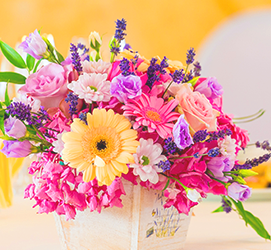
- Lavender: Renowned for its calming effect, reducing stress and enhancing sleep quality.
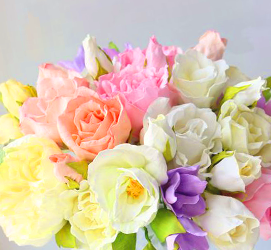
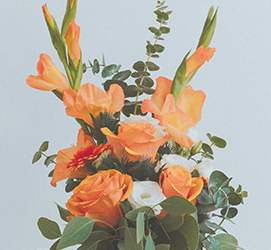
- Roses: Often elevate mood and stimulate feelings of joy and love.
- Jasmine: Boosts energy levels and promotes a sense of wellbeing.
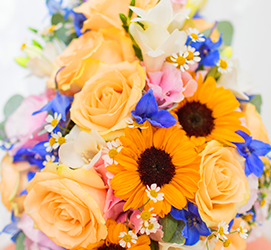
Colors also play a crucial role. Research reveals that brightly colored flowers like yellow daisies or sunflowers stimulate dopamine and serotonin production, which are neurotransmitters linked to happiness and motivation.
A Brief History: Flowers in Cultural and Therapeutic Contexts
Humans have intuitively understood the positive impact of flowers on emotional health long before scientists began to study it. During the Victorian era, "floriography" (the language of flowers) flourished; individuals exchanged flowers to communicate feelings that words could not express. Ancient Egyptians, Greeks, and Romans adorned both homes and temples with flowers, recognizing their role in religious rituals and healing practices.
In Eastern traditions, such as Japanese Ikebana and Chinese medicine, the practice of arranging and displaying flowers is regarded as a way to clear the mind and restore balance. This holistic approach is echoed in modern-day horticultural therapy, where working with flowers and plants is used to aid mental recovery and emotional regulation.
Modern Science: Studies Linking Flowers to Emotional Health
Key Scientific Studies
Recent decades have seen a boom in interdisciplinary studies aimed at better understanding the connection between flowers and emotional elevation. Key findings include:
- Rutgers University (2005): Found that flowers trigger "true" or "excited" smiles and boost serotonin levels. Recipients of flowers felt less depressed, anxious, and agitated.
- Harvard Medical School (2006): Demonstrated that people with fresh blooms at home felt more compassion and less anxiety. Office workers with flowers at their workplace reported higher satisfaction and energy.
- Texas A&M University (2010): Showed that spending just a few minutes in a room with flowers or potted plants improved innovative thinking, problem-solving abilities, and overall creative output.
Biological Mechanisms: How Do Flowers Work on the Brain?
The answer lies in a complex interaction of sensory, neurological, and hormonal factors:
- Visual stimulation: Bright, diverse colors trigger the release of dopamine, the "pleasure" hormone, and serotonin, the "happiness" hormone.
- Olfactory stimulation: Pleasant floral scents activate the limbic system, which moderates emotion and memory, leading to relaxation and joy.
- Touch and interaction: Arranging or tending to flowers reduces stress by demanding mindful attention and physical interaction, similar to meditation.
Recent research even suggests that phytoncides--beneficial chemicals emitted by flowers and plants--can lower blood pressure, reduce inflammation, and stimulate the immune system, further contributing to a heightened emotional state.
The Benefits of Flowers for Mental Health and Emotional Wellness
Incorporating flowers into your daily environment goes beyond enhancing aesthetics; it's a practical and research-backed method for supporting mental health and emotional elevation.
Key Psychological Benefits
- Reduced Stress: Arranging, smelling, or simply viewing flowers can lower cortisol levels, helping to relieve anxiety and tension.
- Boosted Mood: The presence of flowers reliably fosters moments of happiness, hope, and calm.
- Encouraged Mindfulness: Focusing attention on floral arrangements nurtures a sense of mindfulness and presence, reducing intrusive thoughts.
- Improved Relationships: Sharing flowers increases feelings of connection, empathy, and gratitude among friends, colleagues, and families.
- Enhanced Recovery: Flowers and nature exposure speed up recovery in hospital settings by promoting positive emotional states and reducing fatigue.
The Science of Flower Therapy and Emotional Healing
Flower Therapy Explained
Flower therapy harnesses the energy, scent, and vibrancy of blooms to initiate emotional healing. In professional contexts, such as psychotherapy, flowers may be used as tools to facilitate communication, alleviate symptoms of depression, or assist in trauma recovery. At its core, flower therapy revolves around the idea that:
- Engagement with flowers--whether through arranging, smelling, or simply observing--restores emotional harmony.
- Personalized flower selection can address specific emotional imbalances: lavender for tranquility, sunflowers for optimism, roses for love and self-worth.
- Routine exposure to flowers reinforces these emotional benefits over time.
In addition to traditional therapy, many people use flower essences and oils to boost their mood at home. Scientific evidence suggests that floral essential oils influence neurotransmitter pathways, making them powerful allies in managing daily stress and boosting overall well-being.
Choosing the Right Flowers for Emotional Elevation
Not all blooms are created equal when it comes to influencing mood. Here are some of the most powerful flowers based on scientific research and centuries old wisdom:
- Sunflowers: Their vibrant yellow petals promote optimism and joy, especially effective in combating the "winter blues."
- Lavender: Known for its soothing scent, lavender relieves stress, anxiety, and encourages restorative sleep.
- Peonies: With lush blooms and a soft fragrance, peonies inspire a sense of abundance, beauty, and relaxation.
- Roses: A universal symbol of love, roses foster feelings of self-worth, care, and affection.
- Gerbera Daisies: Bright colors stimulate energy and invigorate the spirit.
- Orchids: Associated with harmony, thoughtfulness, and spiritual growth.
Integrating Flowers Into Everyday Life for Emotional Enhancement
Practical Strategies
- Fresh floral arrangements in the home: Place bouquets in visible areas--kitchens, living rooms, workspaces--to continuously benefit from their presence.
- Flower gardening: Growing your own blooms supplies tactile interaction and a sense of accomplishment, further boosting emotional health.
- Use of floral essential oils or candles: Diffusers or scented candles can provide the beneficial aromatics, even in small apartments or offices.
- Sharing flowers as gifts: Gifting blooms to friends, family, or colleagues has a double benefit--enhancing happiness for the recipient and the giver.
- Mindful flower arranging: Treating flower arranging as a meditative activity reduces stress and encourages creative self-expression.
Seasonal and Cultural Considerations
Incorporating seasonal flowers can boost both visual pleasure and emotional resonance. For example, spring tulips evoke a sense of renewal, while autumn chrysanthemums symbolize endurance and warmth. Likewise, different cultures assign unique meanings to flowers; understanding these associations can deepen the emotional impact and appreciation of each bloom.
Flowers for Emotional Elevation in the Workplace
Bringing the science of flowers into the workplace has both individual and organizational benefits. Flowers in the office:
- Increase creativity and productivity, as studies from Texas A&M suggest.
- Improve team morale, fostering a more positive and collaborative environment.
- Reduce symptoms of burnout, by offering small, consistent reminders of beauty and renewal.
Conclusion: Embracing the Science of Flowers and Emotional Elevation
The science of flowers and emotional elevation is a complex yet compelling field that unites centuries of tradition with the latest findings in psychology and neuroscience. Flowers have the power to improve our mood, strengthen social bonds, and help us find moments of peace in a busy world.
Whether you're seeking to reduce stress, lift your spirits, or spark creativity, flowers offer a simple, natural solution backed by science. By embracing the presence of flowers in our daily lives--at home, in the garden, or in the workplace--we can tap into their profound potential for emotional elevation and holistic wellbeing.
Bring a bouquet home, arrange the petals, inhale the calming scent, and let the natural vitality of flowers transform your mood and mindset.
Frequently Asked Questions: The Science of Flowers and Emotional Wellbeing
- Do different flowers affect emotions in different ways?
Yes. Specific flowers elicit unique emotional responses--lavender calms, sunflowers uplift, while roses inspire love and warmth. - Is the effect of flowers on emotions supported by science?
Absolutely. Peer-reviewed studies in psychology and medicine consistently link flowers to reduced stress, improved mood, and emotional wellbeing. - Can artificial flowers provide the same emotional benefits as real ones?
While visually pleasing, artificial flowers lack scent and biochemical properties, offering only partial emotional benefits compared to fresh flowers.